Skin firmness
May improve the appearance of selected areas of mild to moderate skin laxity.

Radiofrequency-assisted contouring
FaceTite uses radiofrequency energy beneath the skin to address selected areas of facial and neck laxity. It is an invasive procedure involving small incisions, anaesthesia and a recovery period.
Individual results vary. Read the risks and suitability information before considering treatment.
Contact Prime to confirm procedure availability, the treating practitioner and treatment location before booking.
About the treatment
FaceTite is a radiofrequency-assisted procedure that heats tissue beneath the skin with the aim of improving firmness and contour. It may be considered for some adults with lower-face or neck laxity. The amount of change depends on anatomy, skin quality and the treatment plan; an improvement cannot be guaranteed.
The technology
A small internal probe is introduced through an incision beneath the skin, while a linked external electrode moves along the skin surface. Radiofrequency energy passes between the electrodes to heat the intervening tissue. This can cause tissue contraction and stimulate collagen remodelling over time. Temperature monitoring helps guide energy delivery but does not eliminate the possibility of burns or other complications. Fat removal, where appropriate, involves a separately planned liposuction procedure.
Potential outcomes
Potential benefits must be weighed against the risks, recovery and alternatives. Not everyone will experience an improvement.
May improve the appearance of selected areas of mild to moderate skin laxity.
May help refine lower-face, jawline or under-chin definition in suitable patients.
Collagen remodelling may contribute to changes over the months following treatment.
Individual assessment
The following areas may be considered after assessment. Not every area is appropriate for every person, device configuration or treatment plan.
Treatment examples
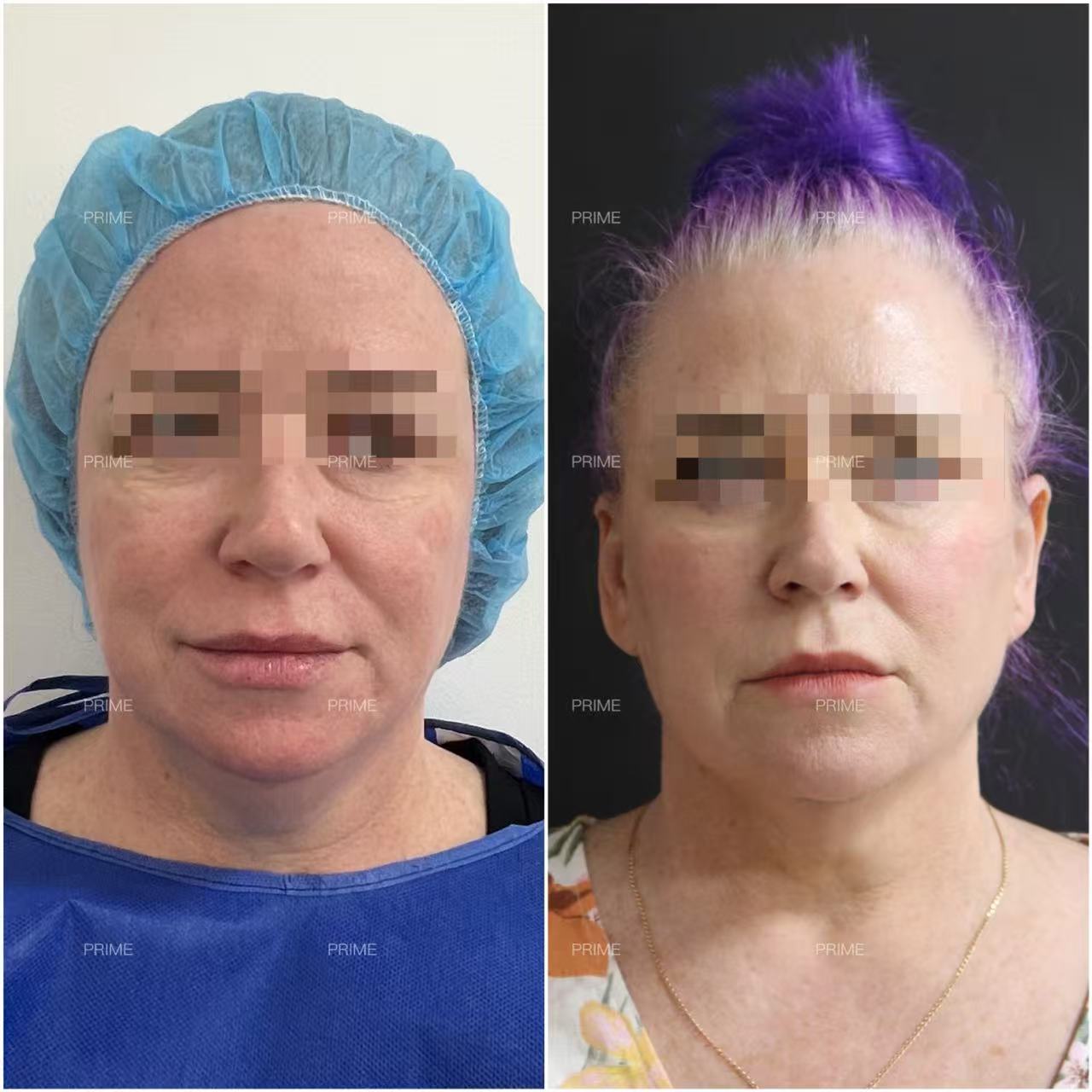
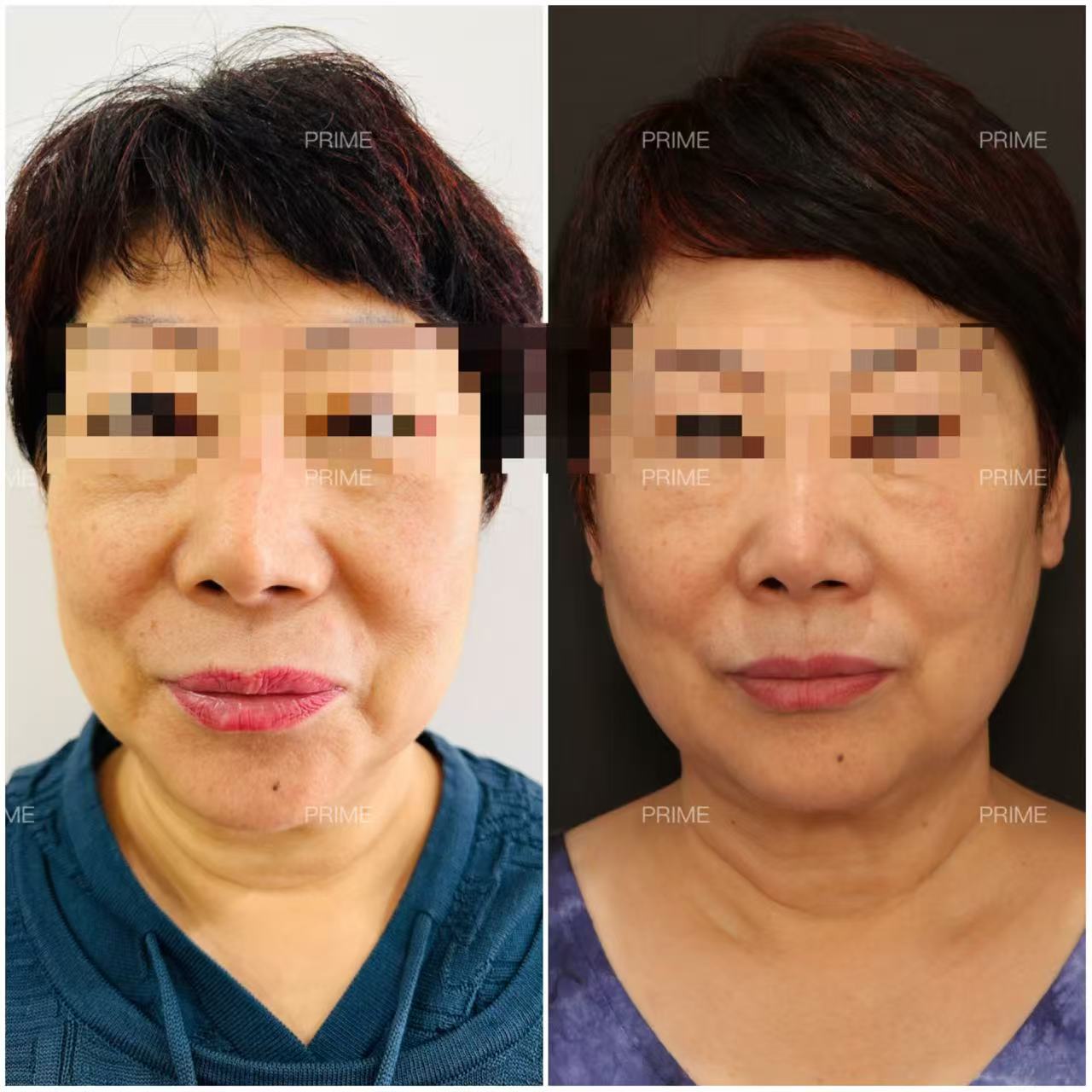
Individual results vary. Images are provided for illustrative purposes and do not guarantee similar outcomes. All procedures carry risks.
Planning your care
Step 01
Discuss your medical history, goals, previous procedures and alternatives, including no treatment. The treating practitioner should explain their registration, experience, the proposed setting, likely costs, risks and recovery. Take time to consider the information before deciding.
Step 02
The treatment areas and incision sites are planned. The anaesthetic approach is agreed in advance and depends on the extent of treatment and your health. Follow the instructions about medicines, smoking, fasting where required, and arranging support afterwards. Do not stop prescribed medicines without medical advice.
Step 03
After preparation and anaesthesia, the practitioner places the probe beneath the skin through small incisions and treats the planned areas while monitoring tissue response. Any liposuction must be discussed and consented to separately. The extent of treatment determines appointment length.
Step 04
Before discharge, you should receive written aftercare, activity restrictions, follow-up arrangements and a contact for concerns. If sedation or general anaesthesia is used, arrange transport and appropriate adult support as advised.
After your procedure
Swelling, bruising, tenderness and altered sensation can affect the treated face and neck. Allow time away from work and social activities; visible swelling may take several weeks to settle. A facial support garment may be recommended. Your practitioner will explain wound care, when to resume skincare and makeup, and when it is appropriate to return to exercise. Early swelling can obscure the outcome, and contour changes may continue to develop over several months.
Recovery may be longer if complications occur. Seek prompt medical advice for increasing pain, redness, fever, wound discharge, blistering or unexpected changes. Severe symptoms, including chest pain or difficulty breathing, need urgent medical attention.
Informed decisions
Swelling, bruising, discomfort, temporary numbness and firmness may occur. Complications include burns, infection, bleeding or haematoma, fluid collections, scarring, pigment changes, delayed healing, nerve injury, skin or fat damage and contour irregularities. Some complications can be lasting or require further treatment or surgery.
Facial nerve injury can cause temporary or persistent weakness or asymmetry. Unwanted fat loss or tissue injury can produce hollowing or uneven contours. These possibilities need to be discussed in relation to your anatomy and any previous facial procedures.
Results may be uneven, less noticeable than expected or unsatisfactory. This is not an exhaustive list of risks; your practitioner must discuss those relevant to your proposed procedure.
Assessment considers your anatomy, skin quality, general health, weight stability, expectations and capacity to follow aftercare. Treatment may be unsuitable during pregnancy or breastfeeding, with an active infection, or where medical conditions affect healing or increase procedural risk.
Tell the practitioner about implanted electronic devices, bleeding or clotting disorders, previous surgery, scarring problems, smoking or nicotine use, and all medicines and supplements. A device implant or medical history may require specialist advice or rule out treatment.
A consultation does not commit you to a procedure. Ask about alternatives and take time to decide whether any treatment is right for you.
Your questions
FaceTite is often described as minimally invasive, but it involves incisions and an instrument beneath the skin. It requires anaesthesia and recovery and carries procedural risks. It should not be confused with a treatment applied only to the skin surface.
No. FaceTite uses heat to treat selected tissues. A facelift involves surgically repositioning tissue and may remove excess skin. The procedures have different capabilities and risks, and a clinical assessment is needed to compare them.
Anaesthesia is required and the plan may include local anaesthesia, sedation or another approach depending on the procedure and setting. Discomfort can occur during recovery. Your treating practitioner will discuss pain management and the risks of the proposed anaesthesia.
Changes are assessed after swelling settles and may develop over several months as tissues remodel. The extent and duration of improvement vary. Ageing, weight changes, skin quality and other factors continue to affect the face and neck; lasting improvement is not assured.
Small incisions can leave scars. Their appearance depends on placement, healing and individual scarring tendency. Scars, pigment changes or healing problems may remain visible.
Contact Prime before booking to confirm whether FaceTite is offered, the treating practitioner and the appropriate treatment location. This page provides general information and does not confirm availability at either clinic.
A considered next step
Discuss your concerns, suitability and alternatives with Prime Cosmetic Clinic. Before booking, please contact the team to confirm whether FaceTite is offered, who would perform it and where it would take place.
General information only. A medical assessment is needed to discuss suitability, individual risks, recovery and expected outcomes. All invasive procedures carry risks. Individual results vary and are not guaranteed.
Explore skin treatments